Water, Sanitation & Hygiene (WASH)
Our Programme Areas

Water, Sanitation & Hygiene (WASH)

Fouadi combines rehabilitation of water and sanitation infrastructure with safe-water access, hygiene facilities and community awareness in schools, displacement settings and child-focused centres.

Programme overview

Fouadi combines rehabilitation of water and sanitation infrastructure with safe-water access, hygiene facilities and community awareness in schools, displacement settings and child-focused centres.

Fouadi’s experience has developed through stand-alone and integrated multi-sector projects, combining local access, field implementation, infrastructure where required, community engagement, referrals and capacity building.

147,200+people
44school WASH systems
23wells equipped
61centres with upgraded WASH

Selected projects & interventions

44-School WASH

UNICEF | 2014–2015 | Al-Safira
  • Restored WASH in 44 schools for 23,000+ students and equipped 23 wells with submersible pumps and generators.
  • Hygiene awareness and 21,160 hygiene kits. Budget $264,740.
Al-Riyada Shelter

UNICEF | 2014–2015 | Aleppo
  • Water/sewer systems across 24 buildings; 4,800+ displaced people reached, 80% women and children.
  • 720 family kits, 1,300 children’s kits and about 250,000 refuse bags.

Jibreen Shelter

UNICEF/OCHA | 2015–2017
  • 2015 WASH support for 900 people; 2017 fresh-water network and sewer rehabilitation for about 3,100 people / 450 families.

Child-Friendly Spaces WASH

UNICEF | 2017
  • WASH rehabilitation in 51 child-friendly spaces and other social facilities; about 45,000 children benefited and 122 volunteers trained.

Integrated Platforms & Emergency

UNICEF | 2019–2028
  • WASH integrated into multi-service platforms with safe-water and hygiene-promotion activities.
  • The 2026–2028 emergency programme includes a WASH target of 50,000 beneficiaries.

Programme gallery

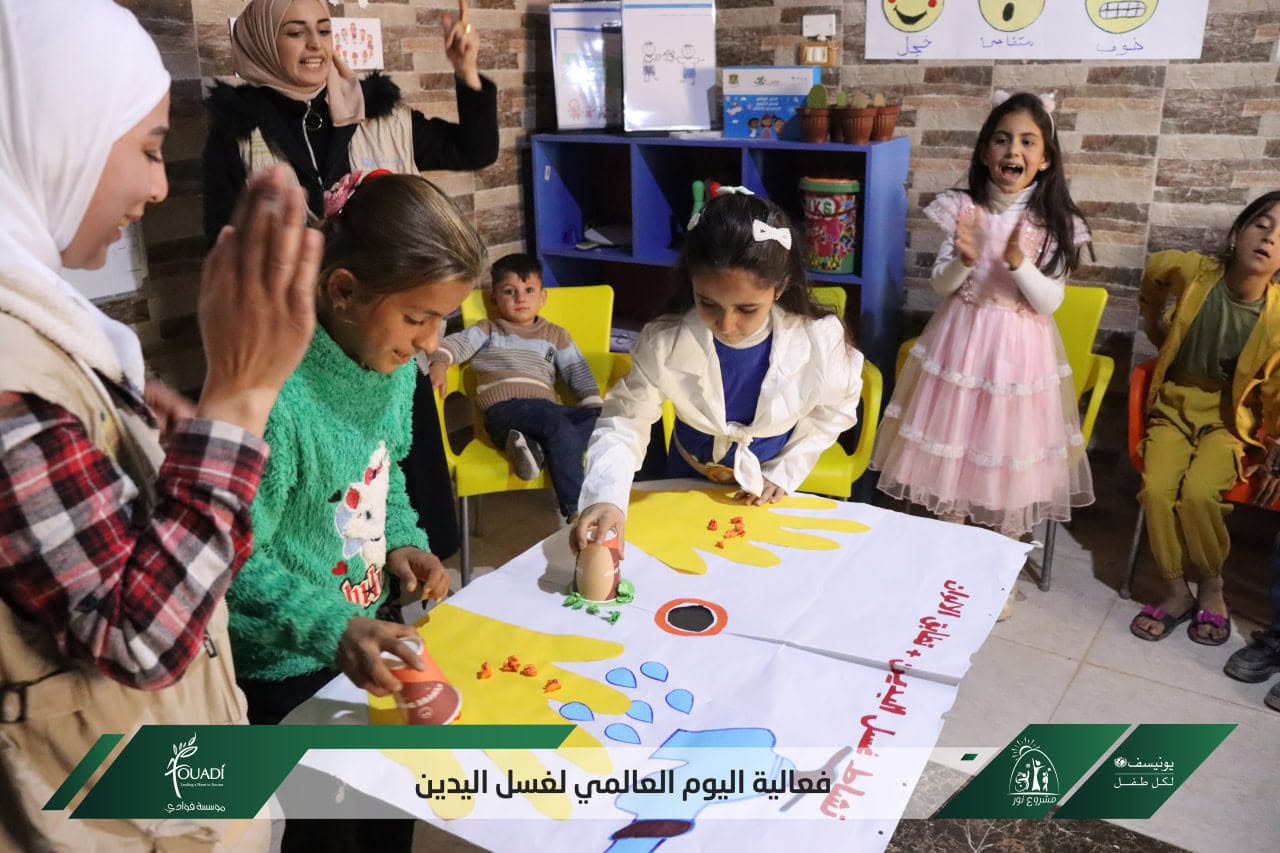
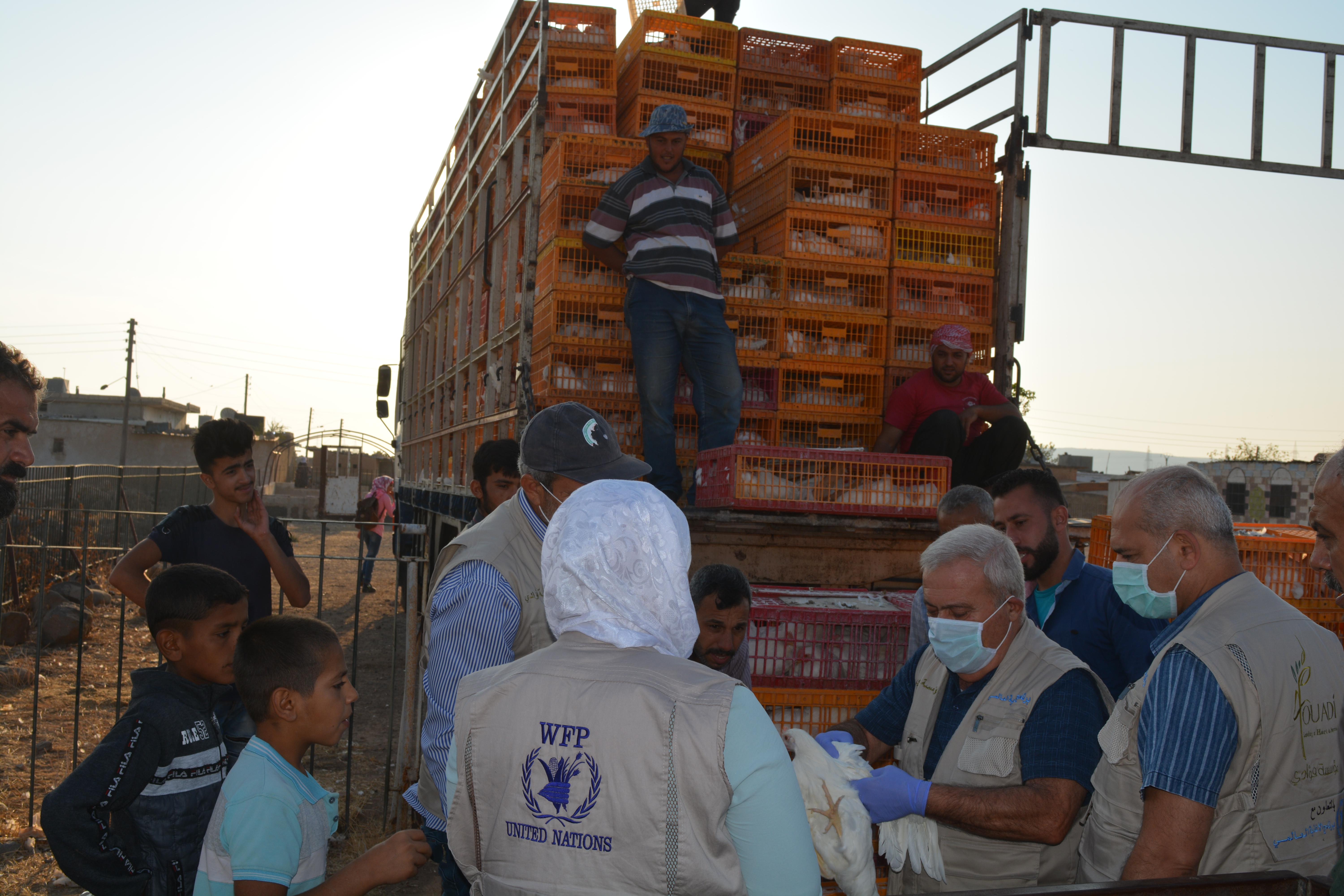
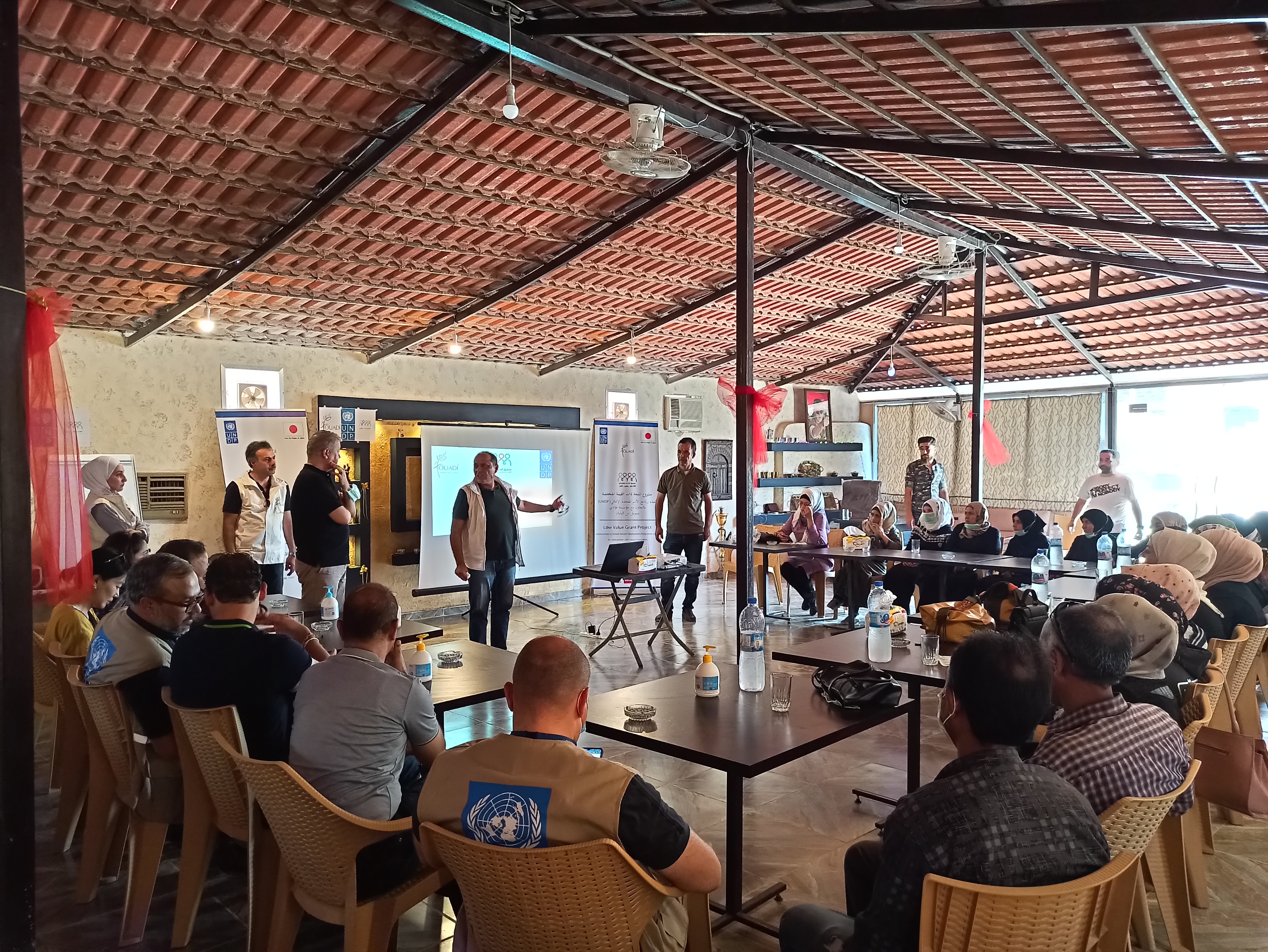
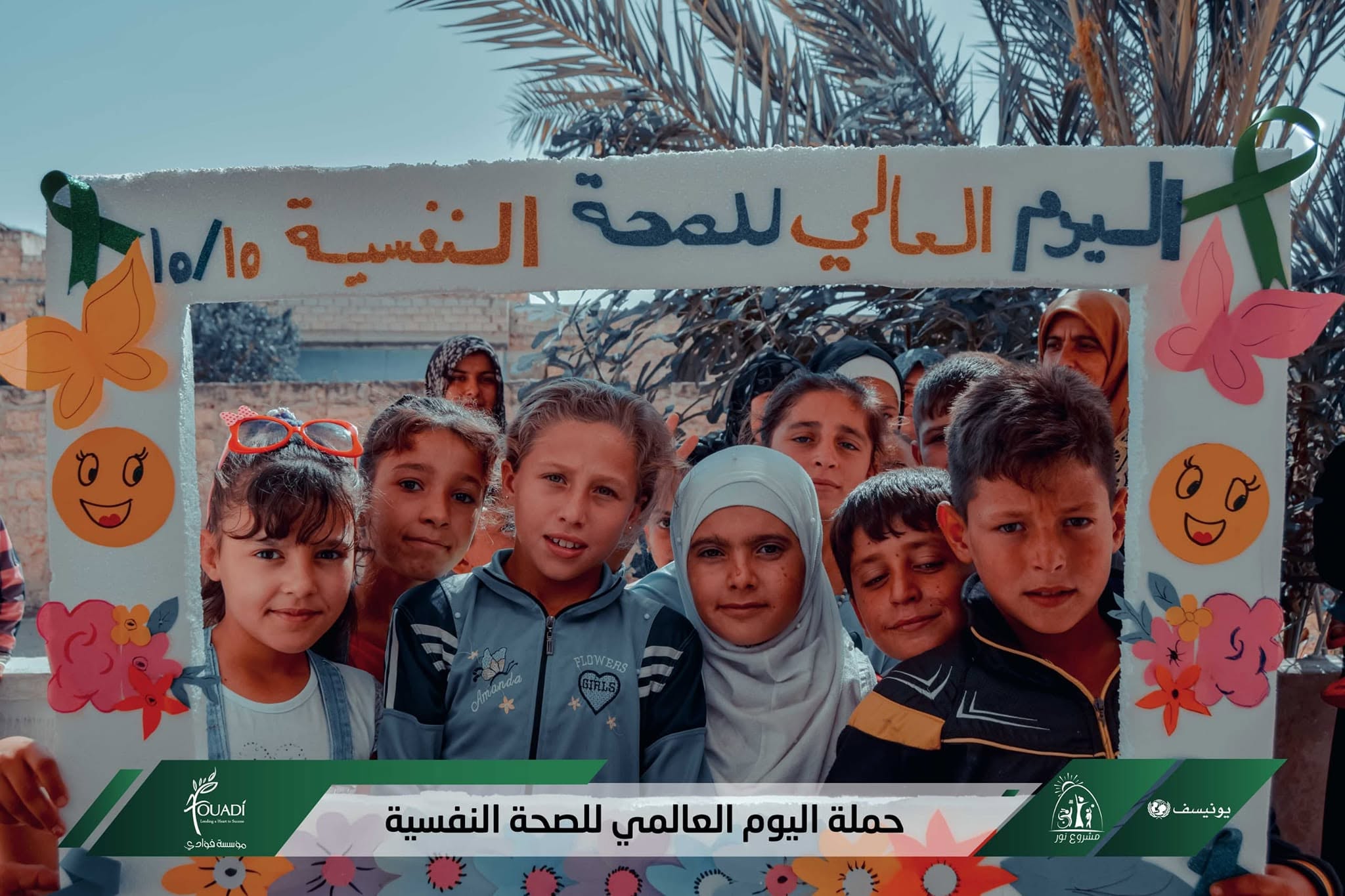
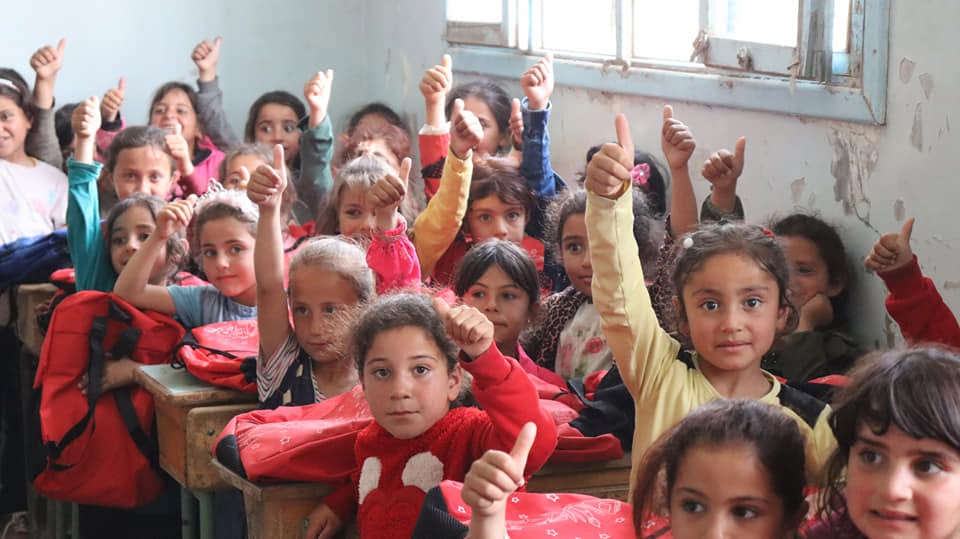
The photographs below are temporary layout images. They should later be replaced by Fouadi’s own project photographs and can be grouped project-by-project.
← Back to all programme areas